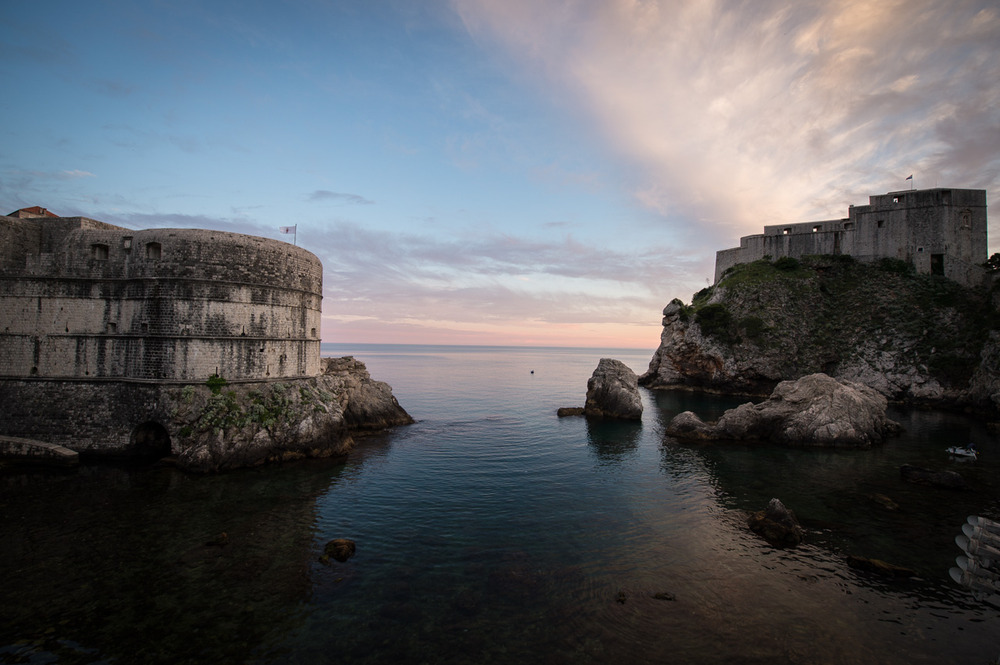
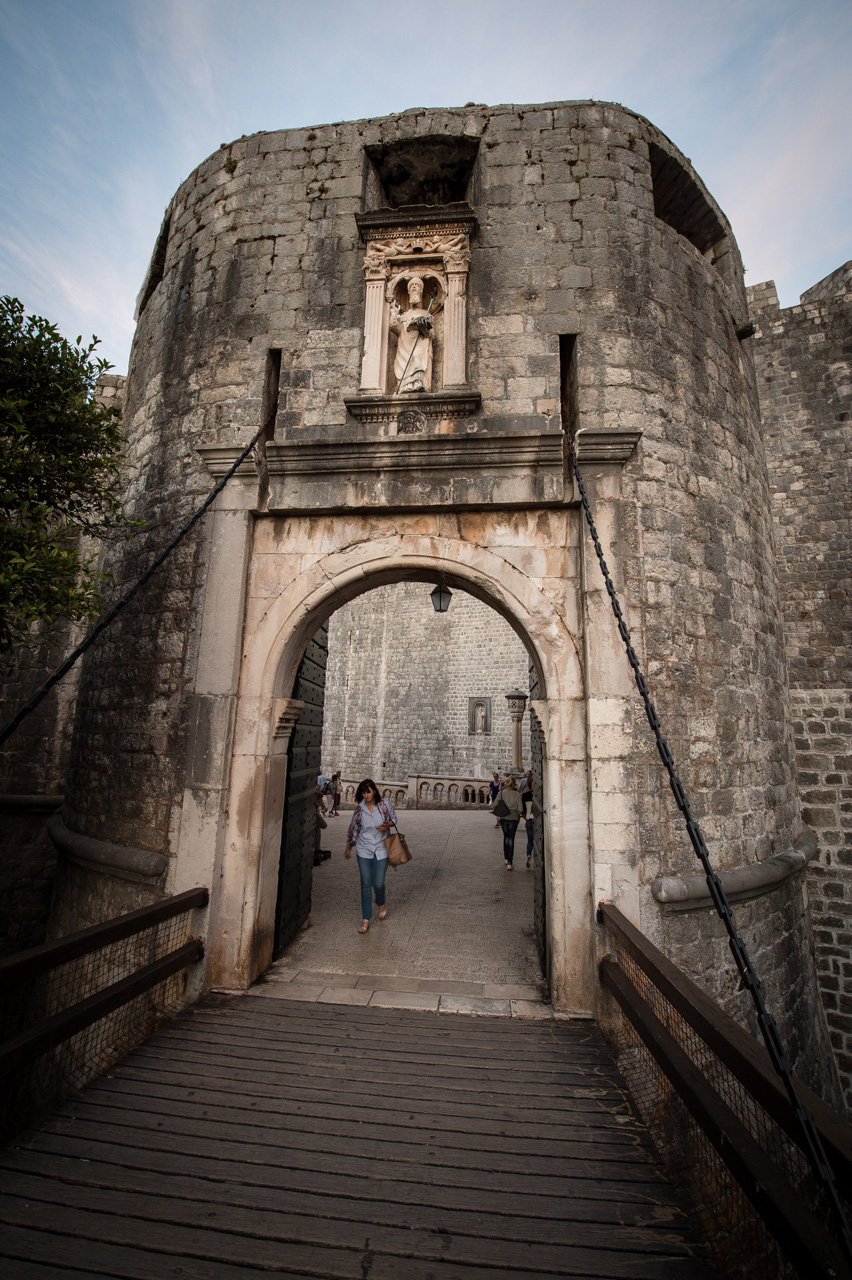
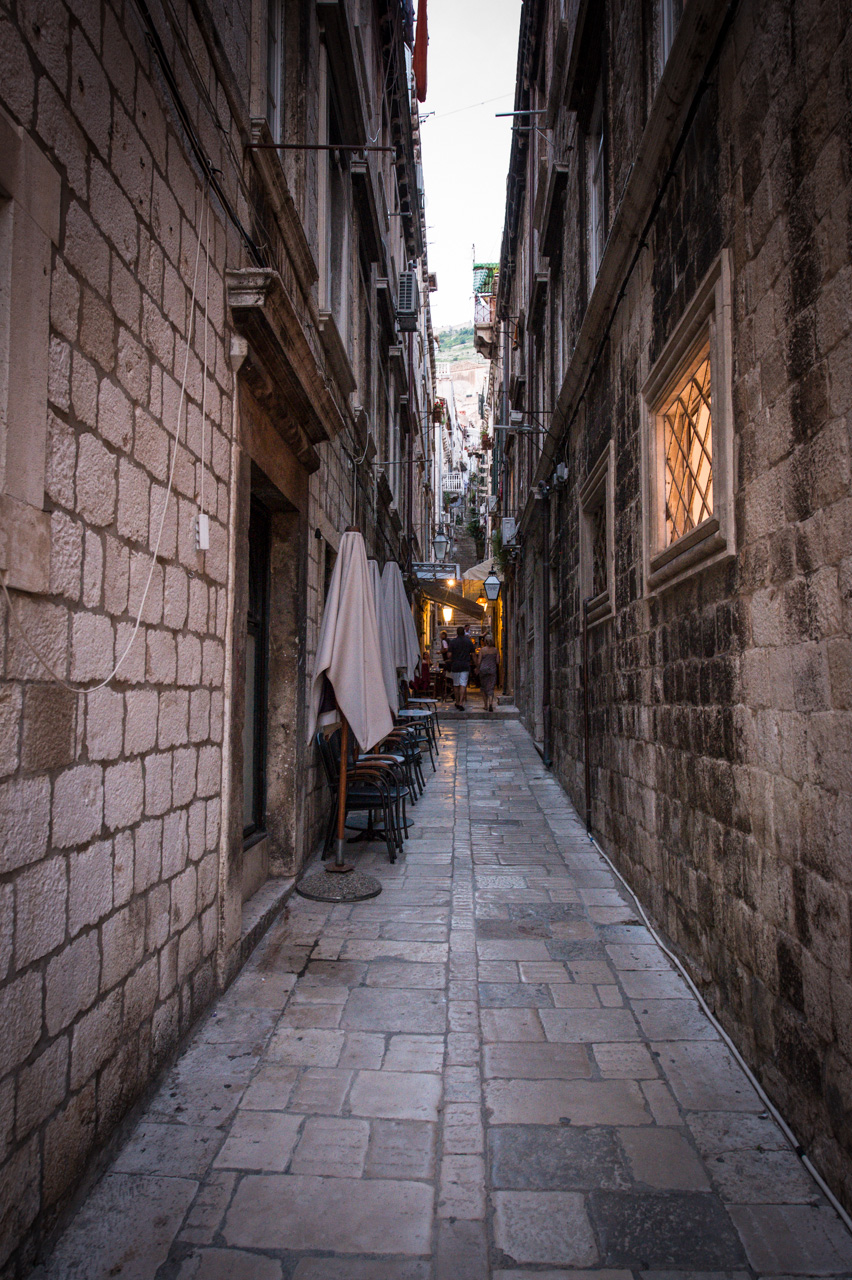
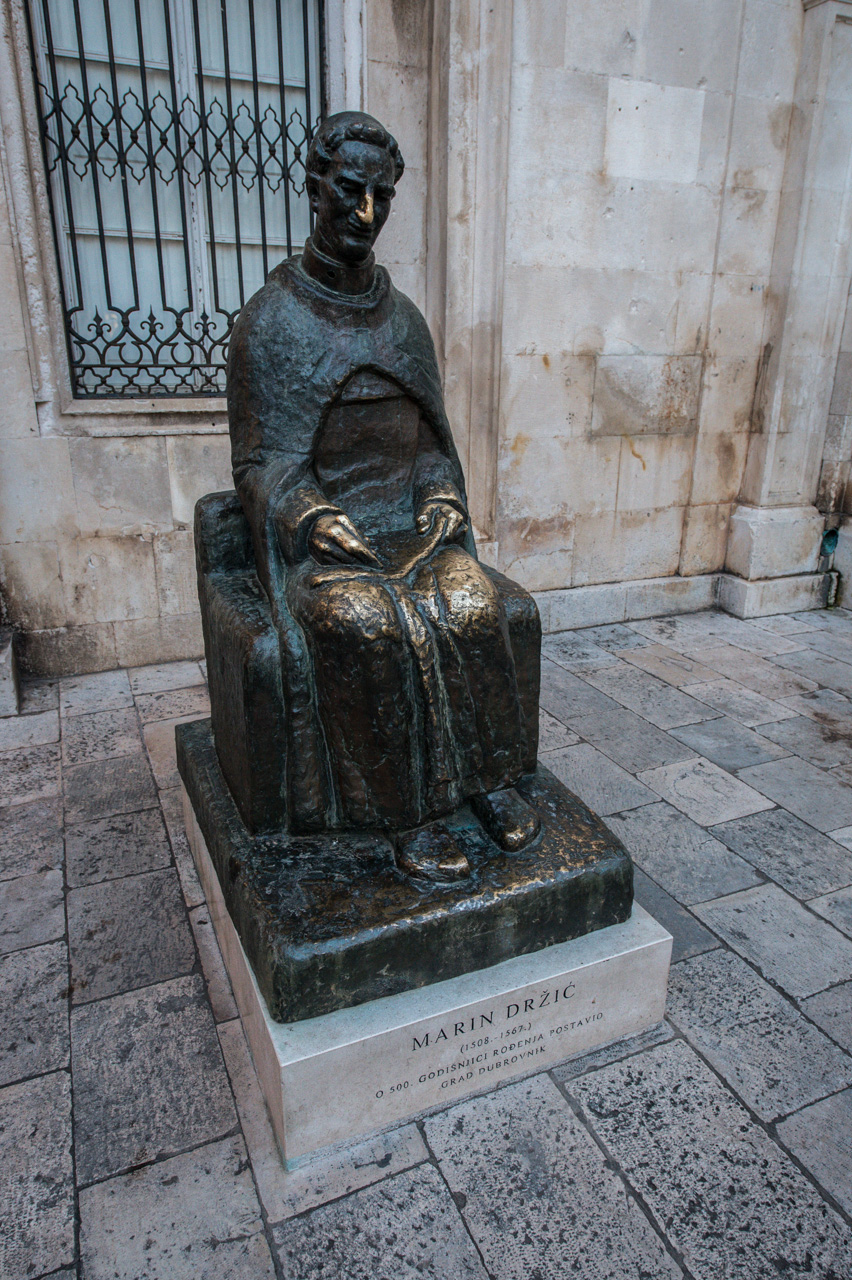
Click on the arrows on the pictures above to browse through the gallery
In Summer 2013, I spent the final part of my trip to Croatia in Dubrovnik.
I had hired a car to drive the long trip from Plitvice Lakes all the way down the country, briefly through Bosnia and Herzegovina and finally into Dubrovnik. I made one stop on the way for a few hours in Split to have a quick break. You can see the previous posts in this series about Split and Plitvice Lakes, as well as the other areas in Croatia I visited, Zagreb (the capital city of Croatia) and the Museum of the Croatian War of Independence.
The drive from Plitvice to Dubrovnik was around 300 miles and took about 5 hours, not including my stop in Split. The first section of the drive was a pretty uneventful drive down a motorway, until suddenly the motorway just ended leaving the rest of the journey on coastal roads along cliff-sides. I could tell this wasn’t a popular tourist drive particularly as local drivers grew impatient behind me as I slowly drove around the corners (with no barriers off the side of the cliffs!)
I think most people just fly to Dubrovnik airport, but that would’ve been too easy – and far less interesting!
By the time I arrived in Dubrovnik it was about 6pm, just enough time to drop off the hire car at the hotel (the hire car people had an office at the hotel – handy!) By the way, hire car companies often allow one-way trips like mine for a small surcharge, I’d definitely recommend it as it was great to be able to drive down to Dubrovnik then drop off the car when I didn’t need it anymore, and just get a flight back home from Dubrovnik at the end of the holiday instead of driving the 5 hour trip back to Zadar! My hire car was through Sixt, who seemed to be the only one who allowed this particular trip.

My Hotel, the Hilton Grand Hotel Imperial, Dubrovnik
I checked in at the hotel and went straight out to explore. It had already started to get dark and I was exhausted from the long journey so after a quick bite to eat I called it a night and headed back to the hotel.
The next day, Friday, I decided to start the day with the city walls walk. The city walls are defensive stone walls that have existed in some form since the city’s founding in the 7th century. They have been through numerous modifications since, and todays city walls mainly consist of parts constructed during the 12th–17th centuries. Since 1979 they have been included on the UNESCO list of World Heritage Sites. The walls have protected the city during many sieges, including most recently during the Yugoslav army siege in 1991–1992 in which many parts of the city were unfortunately badly damaged (68% of buildings in the Old Town were hit, 9 buildings were completely destroyed).
The video below shows the attacks on Dubrovnik during the Siege of Dubrovnik in the Croatian War of Independence.
It’s terrible to see the damage that was done to Dubrovnik during the war, but amazing to see how it has been rebuilt and restored since. The hotel that I was staying in, then called the Grand Hotel Imperia, now called the Hilton Imperial, was often a target of the bombings, despite being used to house refugees, and was badly damaged by fire, there’s some photos of the damage here http://www.dubrovnikphotos.com/displayimage.php?pid=1224
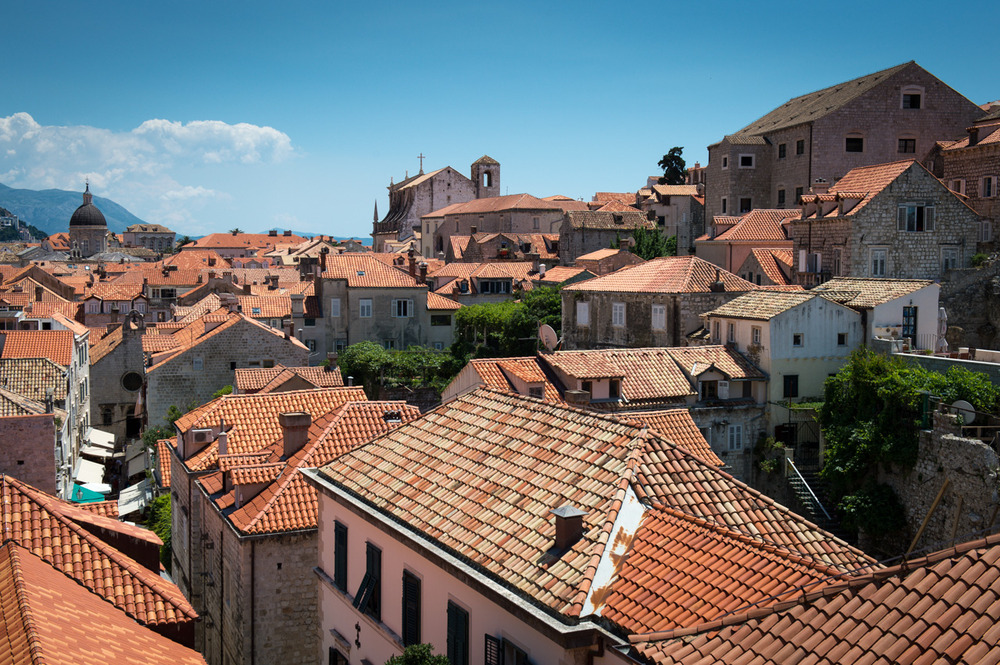
The city walls walk was a great way of seeing the entire city. At a very slow pace it took probably a couple of hours to walk around and was definitely the best way of being able to look down into all the different parts of the city. Being a walled city and quite small, it was quite difficult to get my bearings in Dubrovnik initially, so doing the city walls walk was a great help. It was also a good way of seeing the history of the city, the walk takes you through areas that are clearly still original, as well as areas that have been rebuilt or restored. It isn’t free, but I still recommend it.

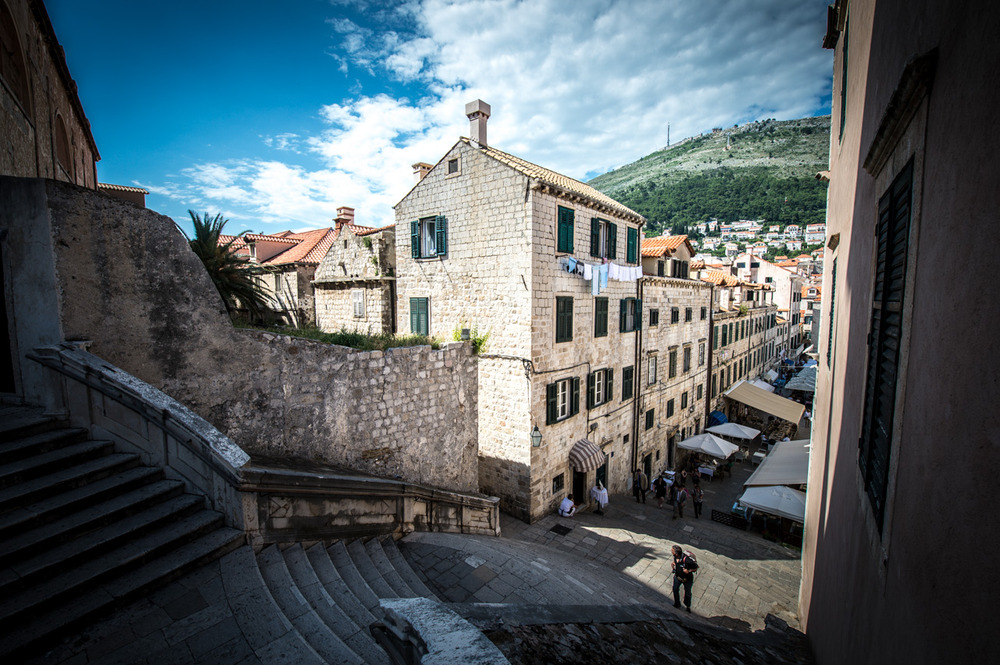
Panoramic view into the city taken from the City Wall

View back towards my hotel from the City Wall
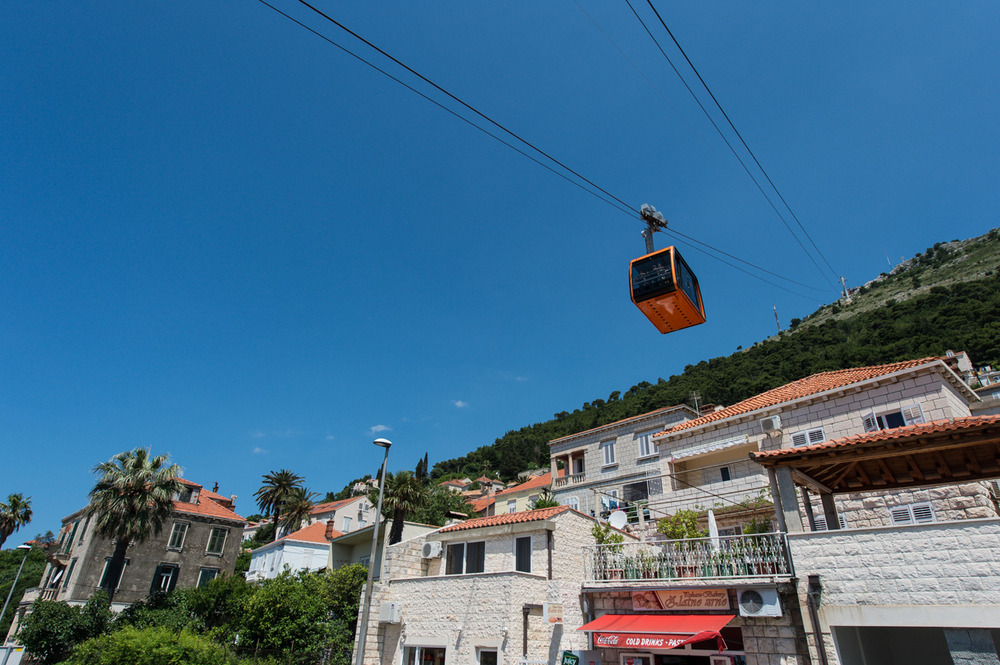
After the city walls walk, I took the cable car up Mount Srdj. The cable car was originally built in 1969 as a way to take visitors 778 metres to the top of Mount Srdj to get a panoramic view of Dubrovnik and was used by millions of people until the early 1990s when it was completely destroyed in the war. A replacement was built and opened in July 2010. It now leads to the “Panorama” bar at top where I stopped and had a pint in a pretty awesome location.

The Panorama Cafe (bar) at the top of Mount Srdj looking down towards Dubrovnik
After that I had a short walk around the top to take in the sights, then headed back down to Dubrovnik in the evening to take some long exposure photos of the city during sunset.

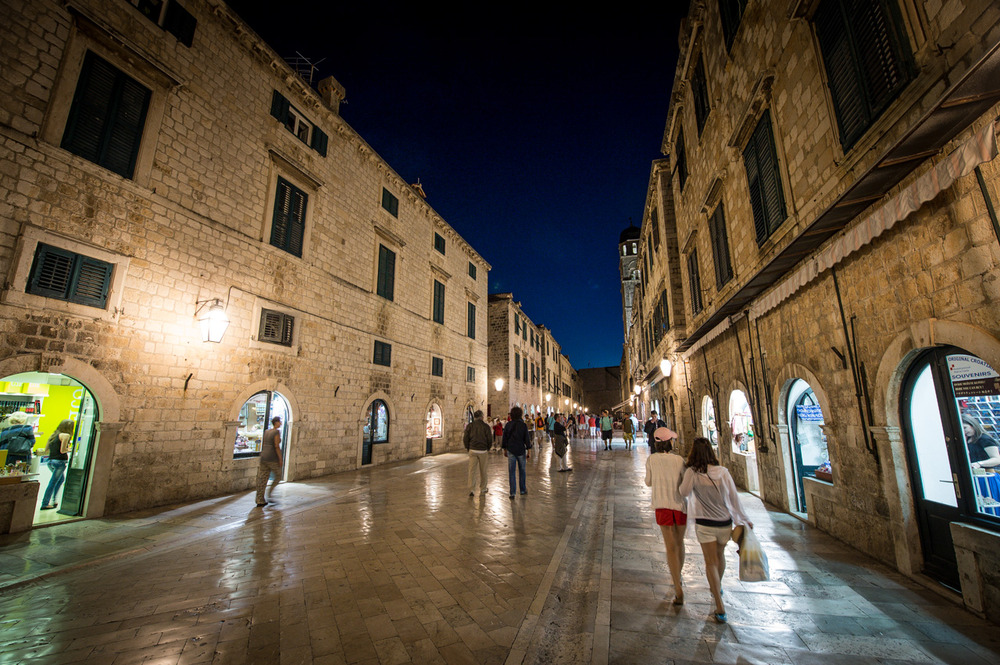
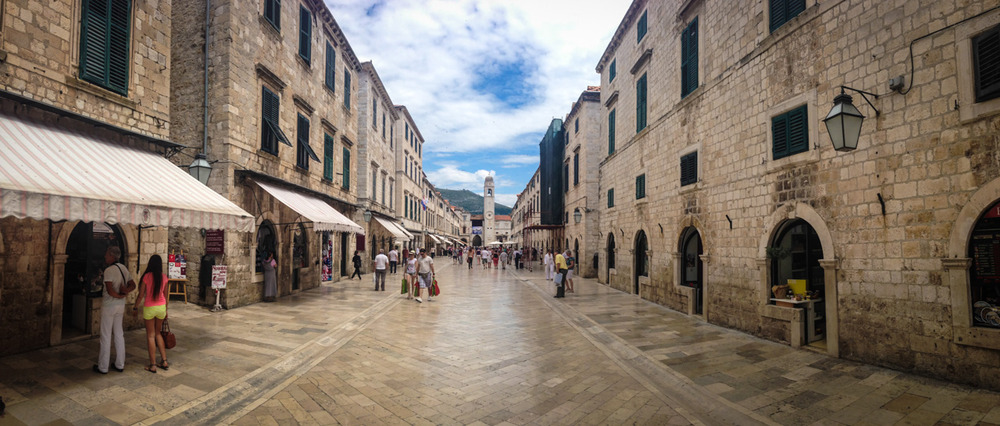
The next day (Saturday) I walked back down Stradun (the main street) and decided to have a look inside Church of St Blaise – it’s a pretty imposing building and I was curious to see what it was like inside! Saint Blaise is the patron saint of Dubrovnik, so it makes sense that the building is so impressive. However, they didn’t allow photography inside, so after a quick look around I left and went for some general exploring around Dubrovnik. I had a quick look inside St Sebastian Church and found some kittens playing outside the Church of St Ignatius (which was preparing for a wedding later in the day – an impressive place to have a wedding!).

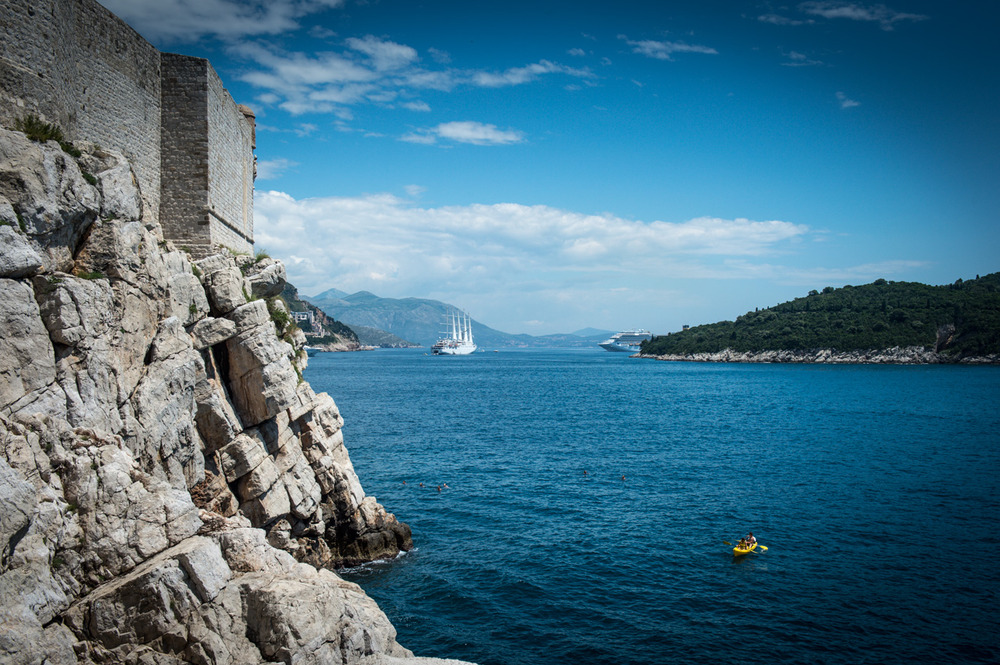
After this I went for a much needed beer in Buza II bar. Buza II is a bar just outside the city walls of Dubrovnik facing the sea edge, it has a small rocks area which serves as a beach for some people. It also has some cliffs where people could dive into the sea, and more importantly for me an area overlooking the sea where I could sit and have a beer. As its name suggests, it’s the second bar on the sea front, and I liked it so much I decided to go and find the original Buza bar. It didn’t take long, it’s just next door, so I had another beer there. I found the original Buza bar much nicer than the Buza II.

View from Buza II Bar just outside the city wall

Buza Bar
Finally, to end the night I went to an outdoor Italian restaurant later in the evening for dinner, and a final few beers in a bar next to the cathedral (one of the cheapest bars in the city!) before it was time to head to bed and catch a flight early the next morning.